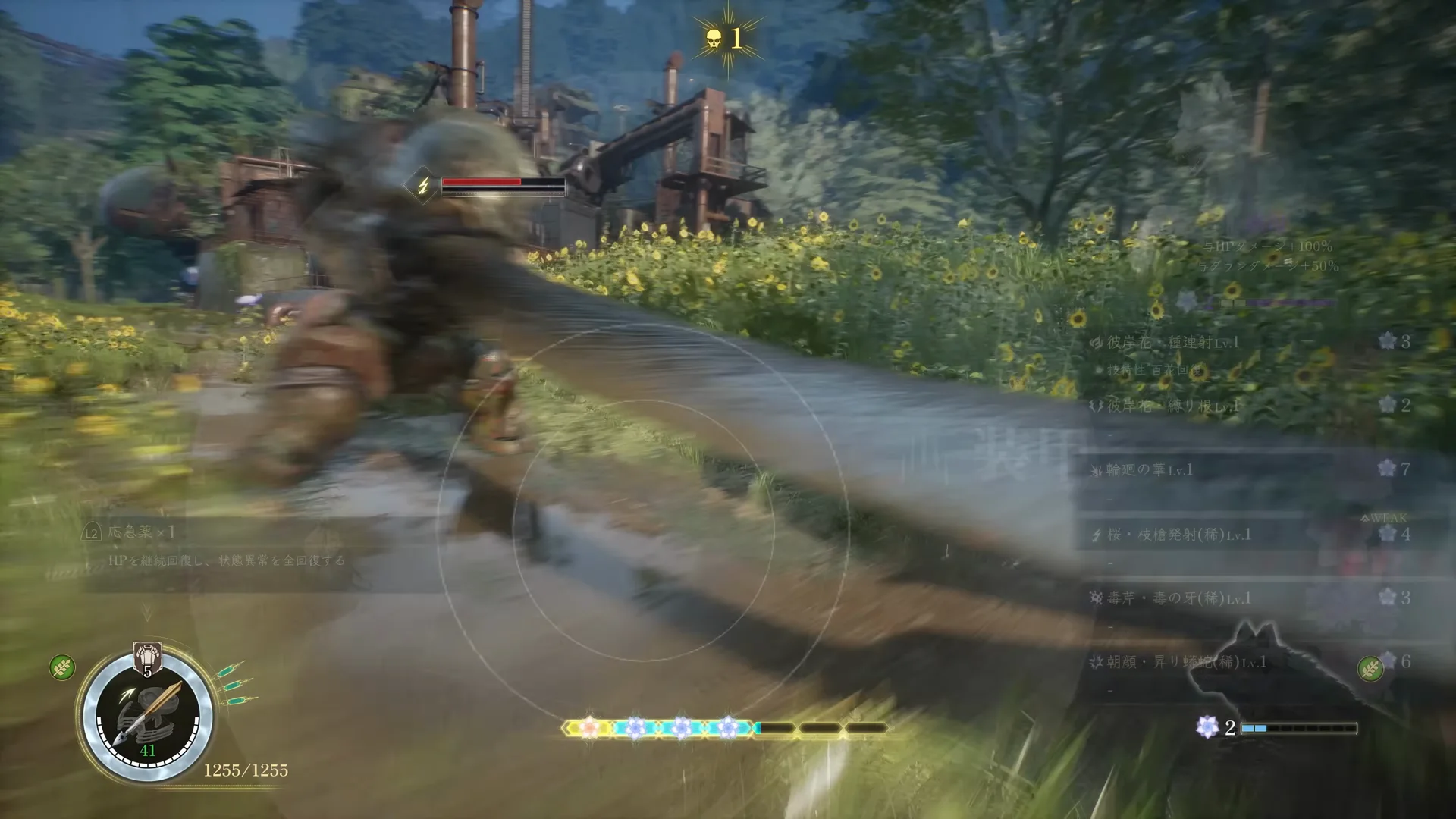
Official materials set Beast of Reincarnation in Japan in the year 4026. The country is described as ruined by corruption, overtaken by a blighted forest, and inhabited by monstrous threats. Emma and Koo travel through that world toward the capital and the source of the blight.
The world is visually specific even before its full map is public: flooded machine ruins, overgrown streets, red flower fields, high waterfalls, and dense forest spaces recur in the official gallery. This guide records those shown features while keeping the difference between observed scenery and a complete exploration database clear.
01
Japan in the year 4026
The official Xbox page gives the setting a precise year: 4026. It frames the country as post-apocalyptic, corrupted, and overrun by monstrous beasts. The player’s route is not described as a sightseeing tour through a recovered Japan; it is a survival journey through a landscape reshaped by the blight.
The setting also supports the contrast visible in the art. Natural growth is not simply peaceful decoration. Forests, vines, and flowers appear beside destroyed structures and giant machinery. That blend gives the game a distinct identity: the same landscape can look beautiful from a distance and threatening up close.
The PlayStation Blog describes this future Japan as an original world that blends traditional Japanese elements with science fiction. It begins inside a Colony, one of the few habitable areas in the devastated world. That is a useful story anchor for the initial setting: the pair leaves a defined refuge rather than appearing in a generic wilderness, and the wider journey moves through a Japan whose technology and ecology have both been transformed.
02
The blighted forest is active pressure
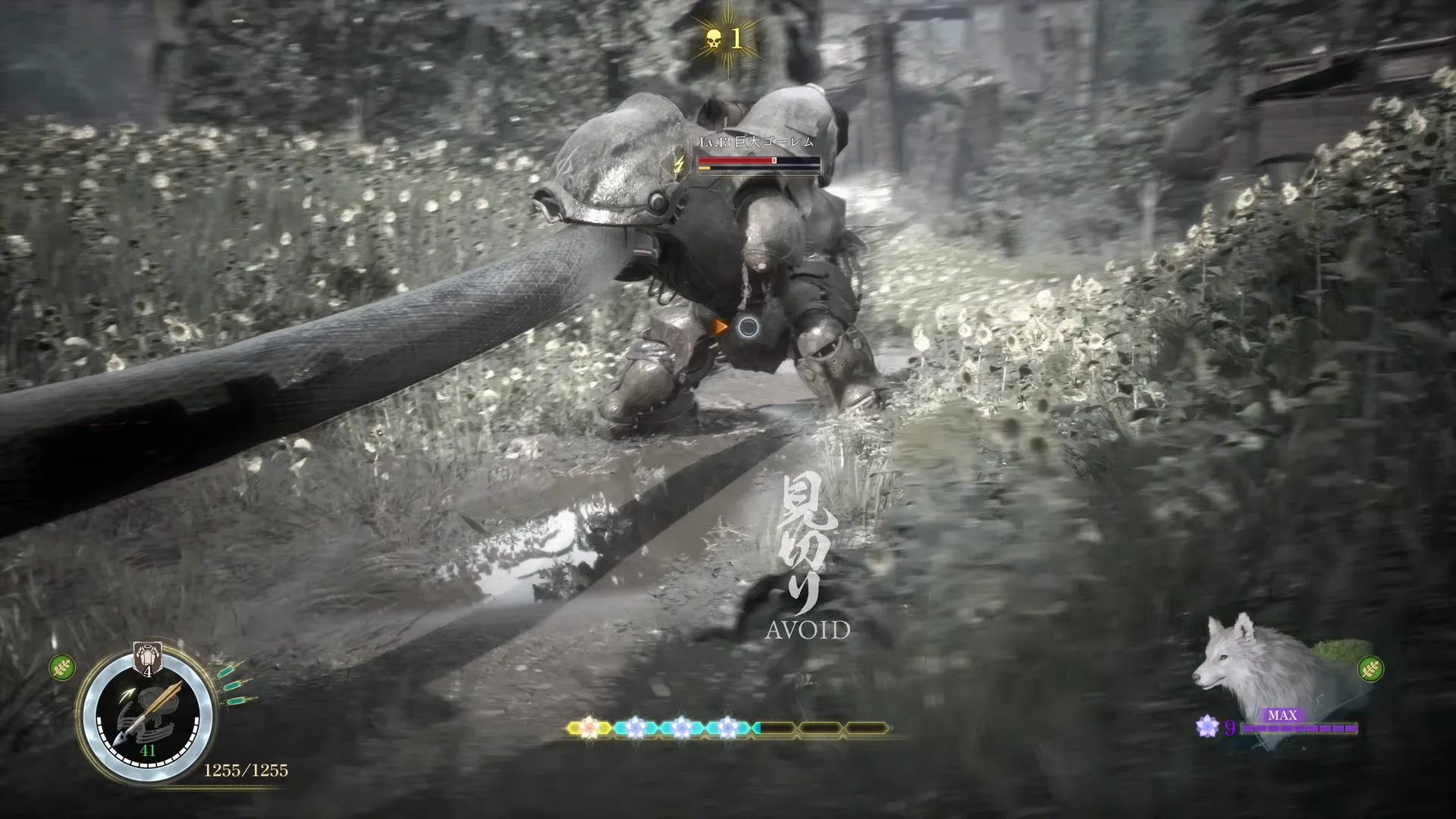
Xbox describes an ever-changing blighted forest and says dangerous forests can erupt in the wasteland. That makes the forest part of the game’s dramatic tension rather than a static backdrop. It also gives context to the heavy vegetation visible around mechanical ruins and city streets.
The PlayStation Blog makes that change more concrete: it says the world shifts in real time as plains and wastelands gradually turn into forests, and that some areas change abruptly enough to reveal unseen malefacts. This is a named world behavior rather than an inference from the art. The landscape can alter while the journey is in progress, so exploration is connected to the same blight that drives the story and combat.
When playing, note whether a transition is gradual or abrupt, which landmark remains visible, and whether an encounter follows the change. Those observations will make a future route guide useful to another player. They also keep the guide grounded in repeatable world behavior instead of treating every patch of vegetation as a separate biome with an invented rule set.
03
Urban remnants remain visible
One official Xbox gallery image shows Emma and Koo standing in an overgrown street beneath a Shibuya sign. That is direct evidence that familiar urban remnants survive within the setting. It helps ground the far-future premise in a recognizable Japan rather than an entirely abstract fantasy world.
A single image cannot prove a visitable Shibuya district, a mission order, or a city hub. The useful part is the scale of the contrast: public transit and street infrastructure remain, but vegetation and decay have overtaken the space. That visual motif repeats across the official materials and is central to the game’s atmosphere.
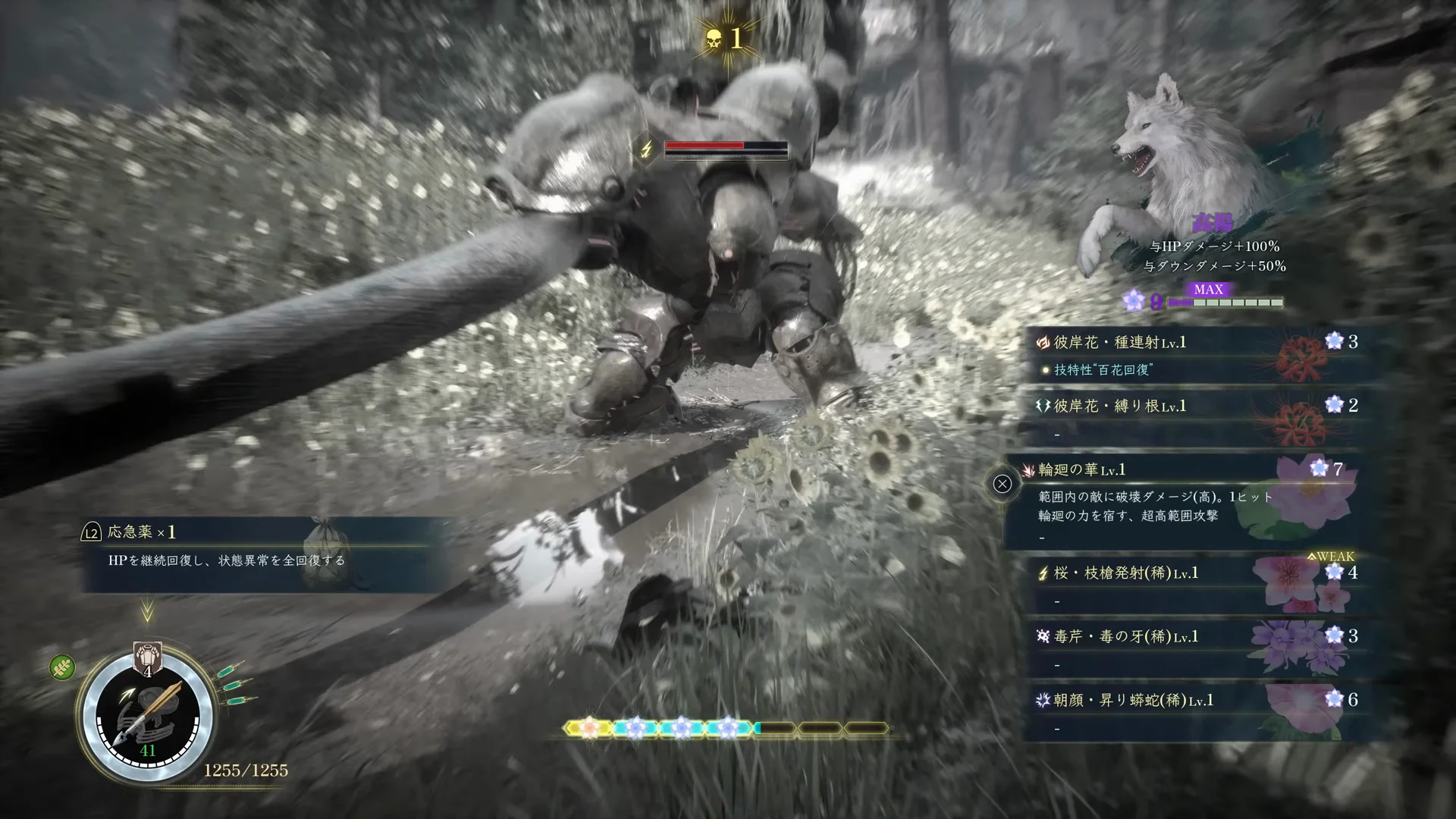
The story’s traversal details give those ruins a player-facing purpose. The PlayStation Blog says blight transformed Emma’s hair into plant-like vines that can move across collapsed bridges and high walls, and can also attack from above. That means vertical ruins are more than scenic backdrops: the official description associates them with a named movement tool and an offensive use.
04
Beasts, robots, and the journey ahead
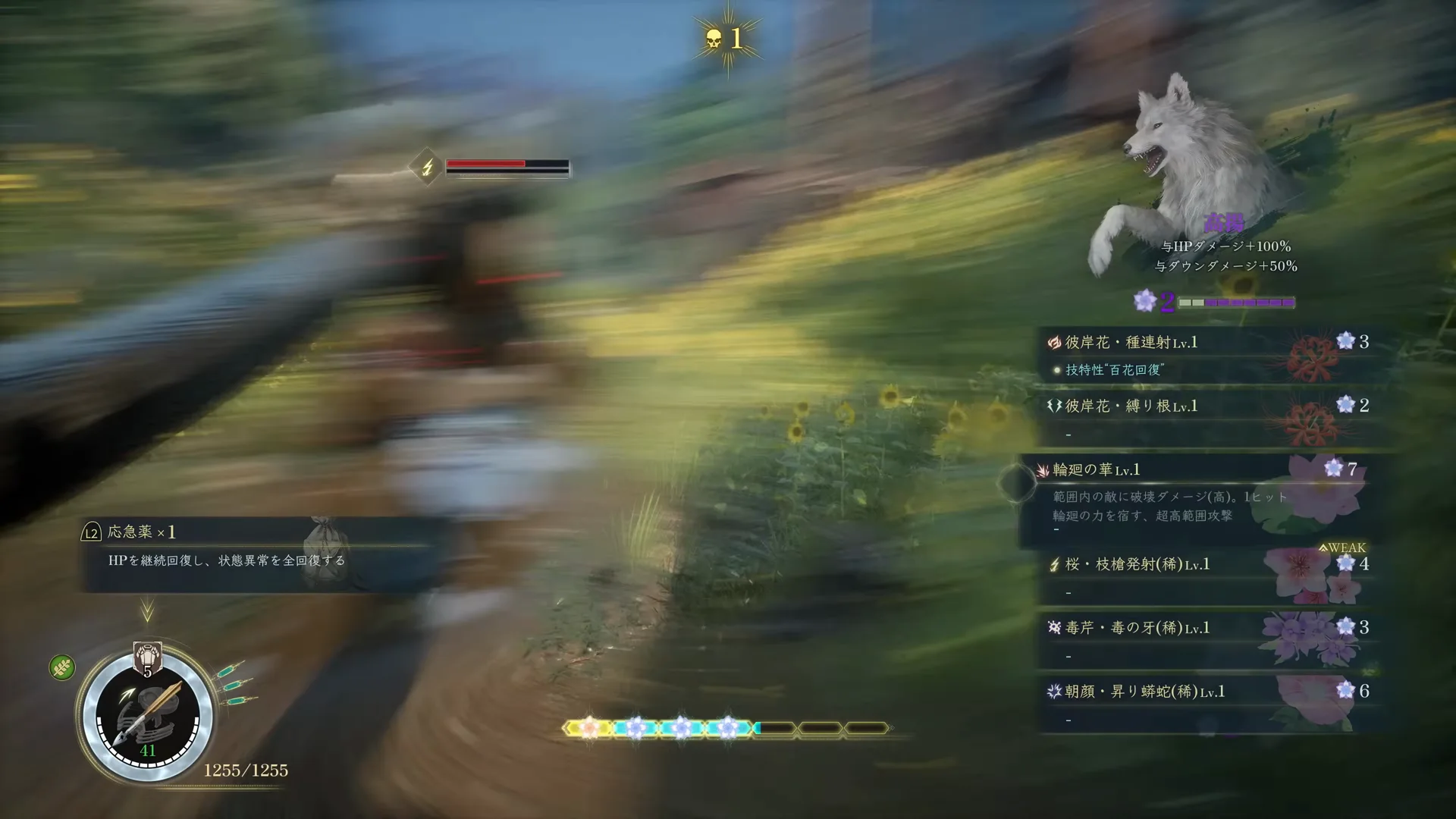
The official gallery includes a giant horned creature, an armored robot, and a purple-flowered beast. Xbox calls out bosses that rule the world and says Emma and Koo seek to capture their powers. Together, those facts establish a hostile journey with major encounters, but they do not supply a bestiary or a complete enemy taxonomy.
The PlayStation Blog calls Koo a malefact, a being regarded as a danger to the world, and says Emma hunts malefacts as a Sealer who absorbs their blight. Its world-change description also names unseen malefacts that can appear when a region transforms. Those terms add a real narrative distinction between the pair, ordinary threats, and the boss-level powers the journey is trying to capture.
Use the official visual material to understand the threat mix: organic corruption and technological ruins coexist. A launch bestiary can be built from in-game names, locations, behavior, and tested weaknesses, while the pre-launch guide remains a visual index to the giant horned creature, armored robot, purple-flowered beast, and the concepts the developer has actually named.